


Director’s
Message

Defending
the Nation

From the seas to the skies, cyberspace, and deep space, the challenges facing U.S. forces today span every domain. Whether enabling rapid planning for fleet protection, strengthening air and missile defenses, or advancing electronic warfare capabilities, APL applies deep technical expertise to design, integrate, prototype, and accelerate capabilities that help the nation anticipate threats and act decisively — making critical contributions toward a more agile, resilient, and integrated national defense posture.

Countering
Evolving
Threats

Innovation and technology are reshaping the nature of competition and conflict, blurring the boundaries between physical, digital, and biological threats. APL fuels the nation’s ability to stay ahead of these shifts by identifying vulnerabilities and developing solutions that strengthen security, defense, and resilience. From hypersonics and autonomy to biotechnology and infrastructure protection, the Laboratory is integrating science, engineering, and analysis to anticipate and counter tomorrow’s threats today.

Accelerating
Progress

Through
Partnerships

Today’s national security challenges demand rapid innovation, a call APL is answering by actively engaging commercial partners from across industries to identify and leverage their capabilities, manufacturing capacity, and cutting-edge research — while remaining an independent, trusted partner to the government. By combining its deep technical expertise and mission understanding with industry’s ability to rapidly scale emerging capabilities, APL helps bridge the gap between early-stage research and accelerating operationally relevant solutions.

Bold
Innovation

APL is redefining how artificial intelligence (AI), materials, manufacturing, and biology accelerate innovation for national defense and beyond. Through forward-leaning research, Laboratory researchers are exploring bold new concepts that may not reach the field immediately but are critical in shaping what comes next. By laying the groundwork for more resilient systems, faster innovation cycles, and transformative capabilities, APL is advancing the most innovative and effective technologies into real-world application and strengthening the nation’s technological advantage.

Exploring
The Extremes

APL’s mission to solve complex challenges drives discoveries across extreme frontiers — from the blazing atmosphere of the Sun to the deepest Arctic oceans and the icy moons of the outer solar system. APL spacecraft, sensors, and scientific instruments are revealing how solar physics and space weather impact our world, while parallel efforts on Earth are shaping technologies to sustain human and robotic exploration and operations in extreme environments.

A Culture
of Innovation

From incubating bold research proposals and developing the next generation of leaders to building collaborative workspaces, APL fuels creativity and novel ideas at every level.

Tech
Transfer

With a large portfolio of cutting-edge intellectual property and a team of experienced licensing staff, APL’s Tech Transfer offers streamlined access to technological innovations made at the Laboratory.

University
Collaborations

APL’s strategic collaborations with other Johns Hopkins University (JHU) divisions strengthen the Lab’s ability to tackle the nation’s most complex technical challenges. Working alongside university researchers, faculty, and students, APL experts transform foundational research into real-world solutions while providing technical and strategic guidance at the intersection of academia, industry, and government. These partnerships leverage the expertise of a world-class research institution to accelerate innovation, educate the current and future workforce, and develop impactful technologies that address national priorities.

Fifteen Years
of Innovation
for the Nation

Fifteen Years
of Innovation
for the Nation

Director Ralph Semmel Steps Down After Elevating Laboratory to New Heights

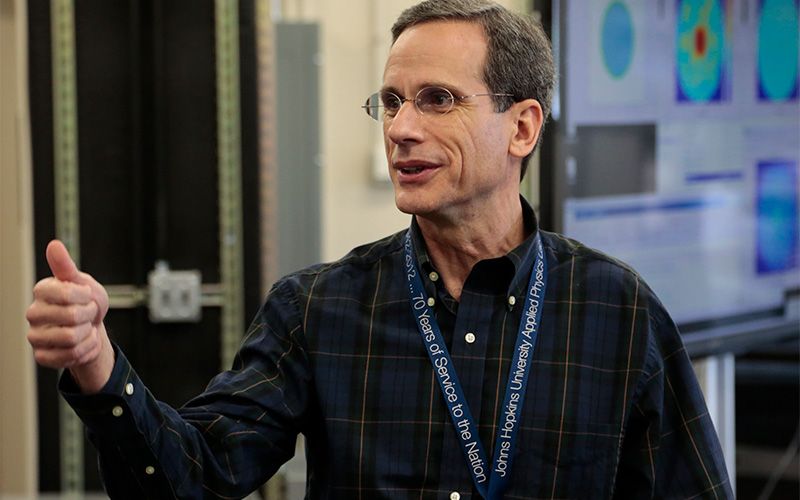
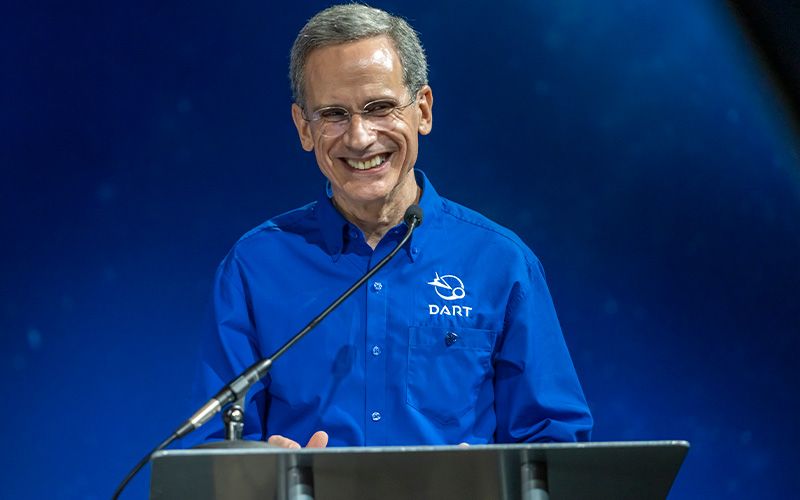
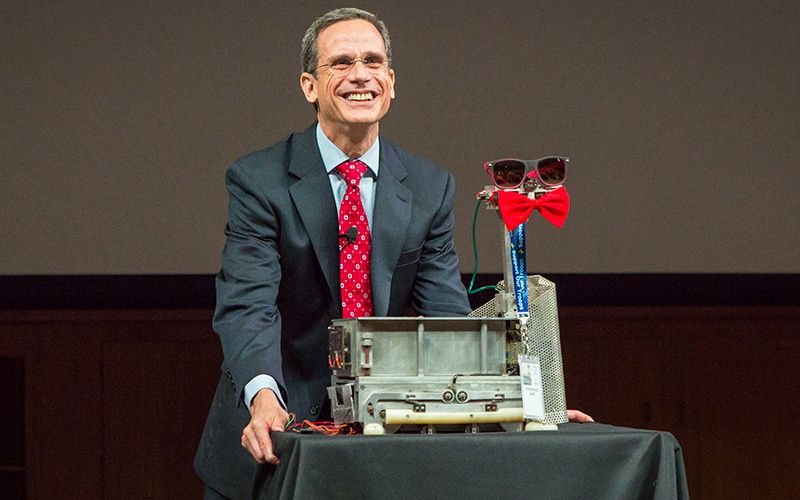
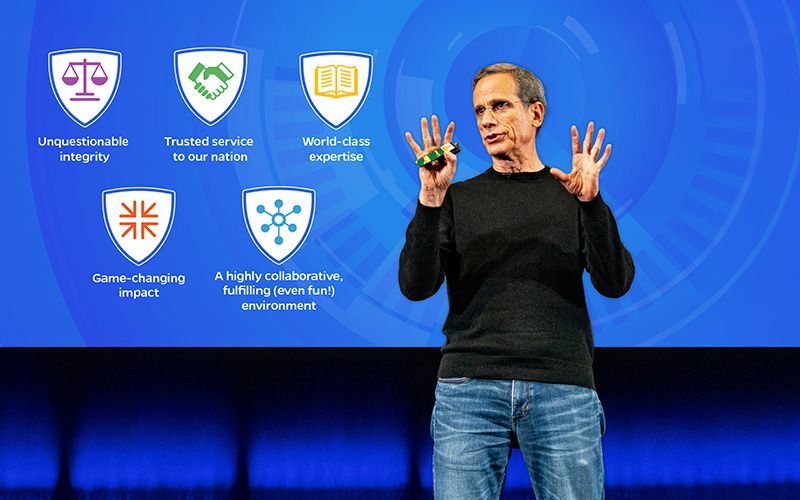
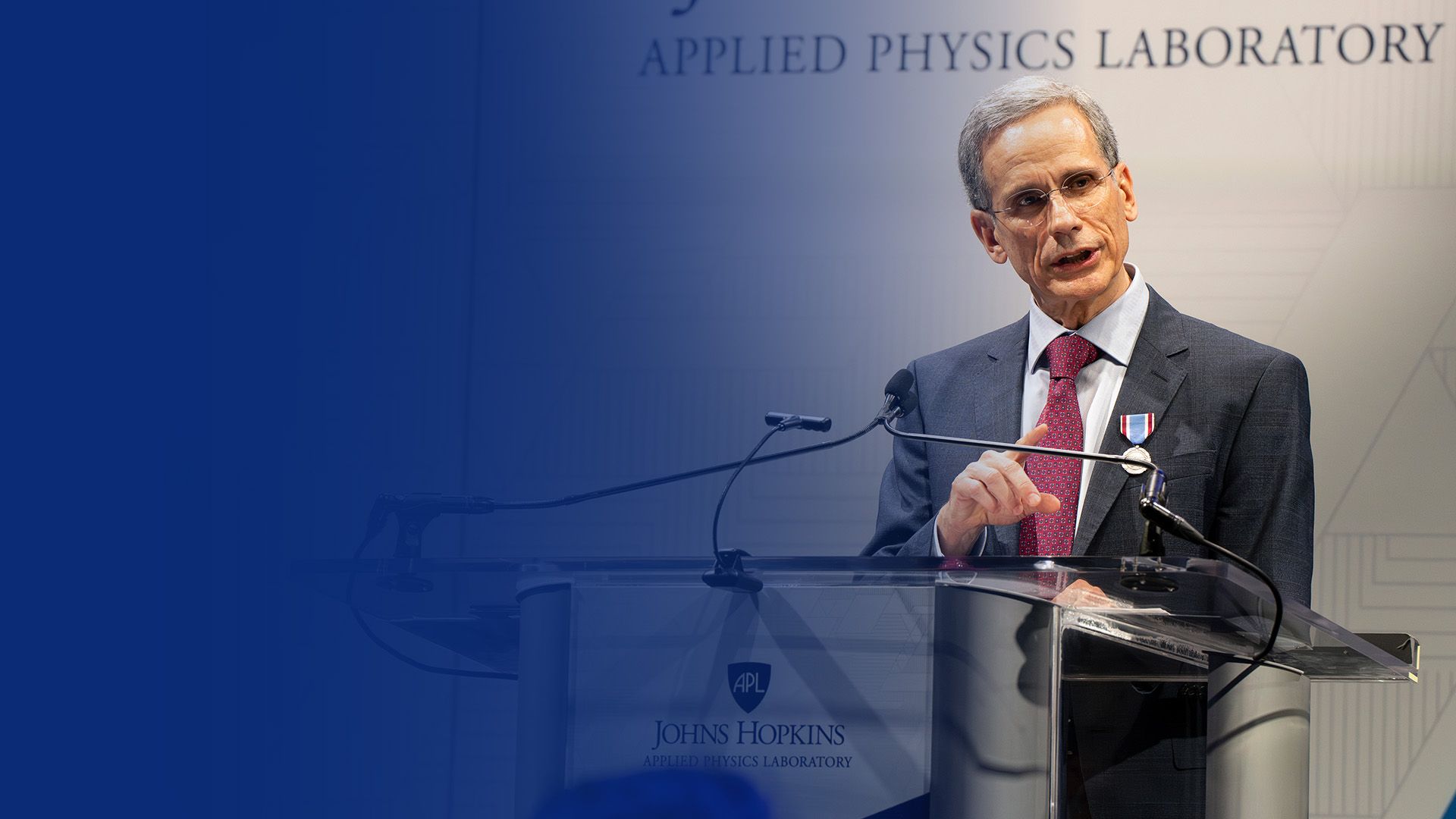
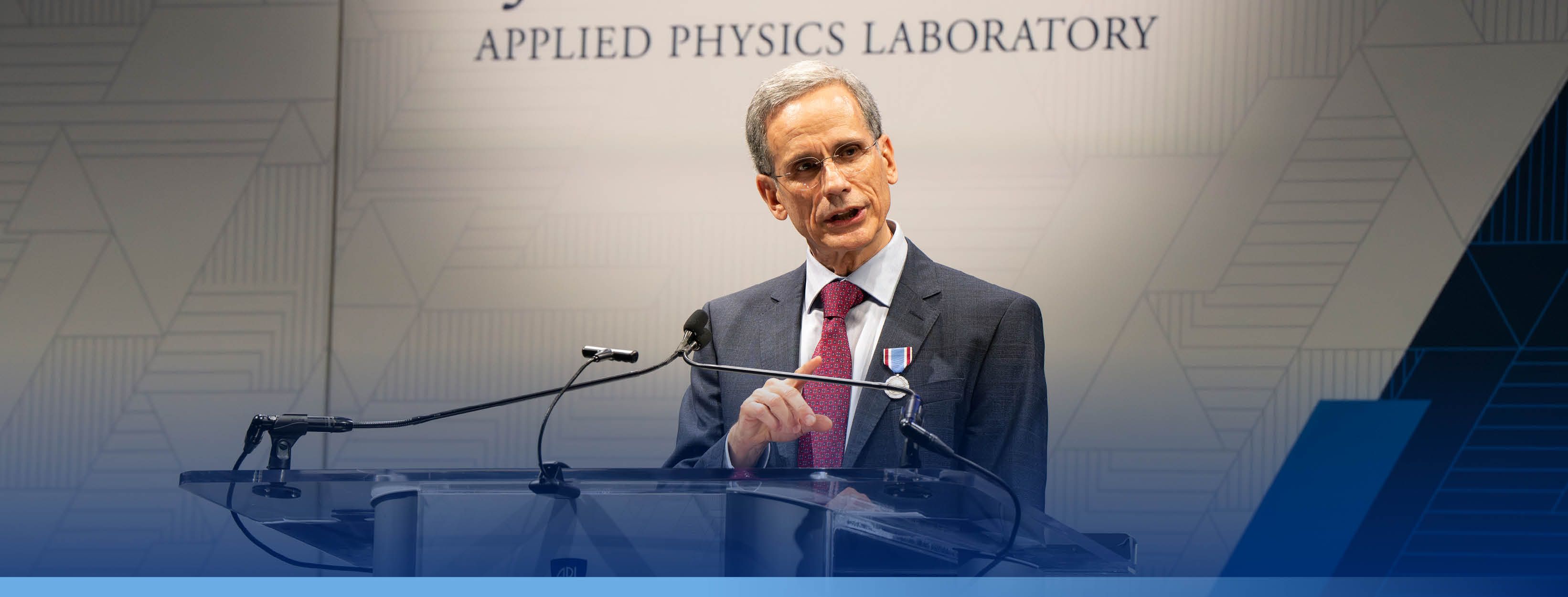
In July, Dr. Ralph D. Semmel — the Laboratory’s eighth director, and second-longest to serve in that role — stepped down after leading APL for 15 years. Under his leadership, the Lab significantly increased its capability to deliver game-changing technologies for national security and space science and engineering, and its impact for sponsors and national strategic goals. Semmel also aligned cutting-edge engineering practices with real-world operational needs, fostering multidisciplinary collaboration across government, academia, and industry.

During Semmel’s tenure as director, which began in 2010, the Laboratory sharpened its strategic focus and created new initiatives to promote game-changing innovation, accelerating APL’s contributions to the Department of War, NASA, the Intelligence Community, and other federal agencies. A visionary leader, Semmel worked early in his tenure to develop and implement a strategy-based approach to innovation that positioned APL to be remarkably agile and responsive in meeting national security priorities in a dramatically changing world. Semmel led APL as it developed transformative breakthroughs in domains including air and missile defense, cyber, artificial intelligence and autonomy, hypersonics, space science and engineering, biomechanical engineering, undersea systems, special operations, multiservice strategic systems, biothreat defense, and materials science.

Throughout his almost 40 years at APL, Semmel also contributed to the national security and R&D communities as a member of the Defense Science Board, the U.S. Strategic Command Strategic Advisory Group, and various panels of the National Security Agency (NSA) Advisory Board.

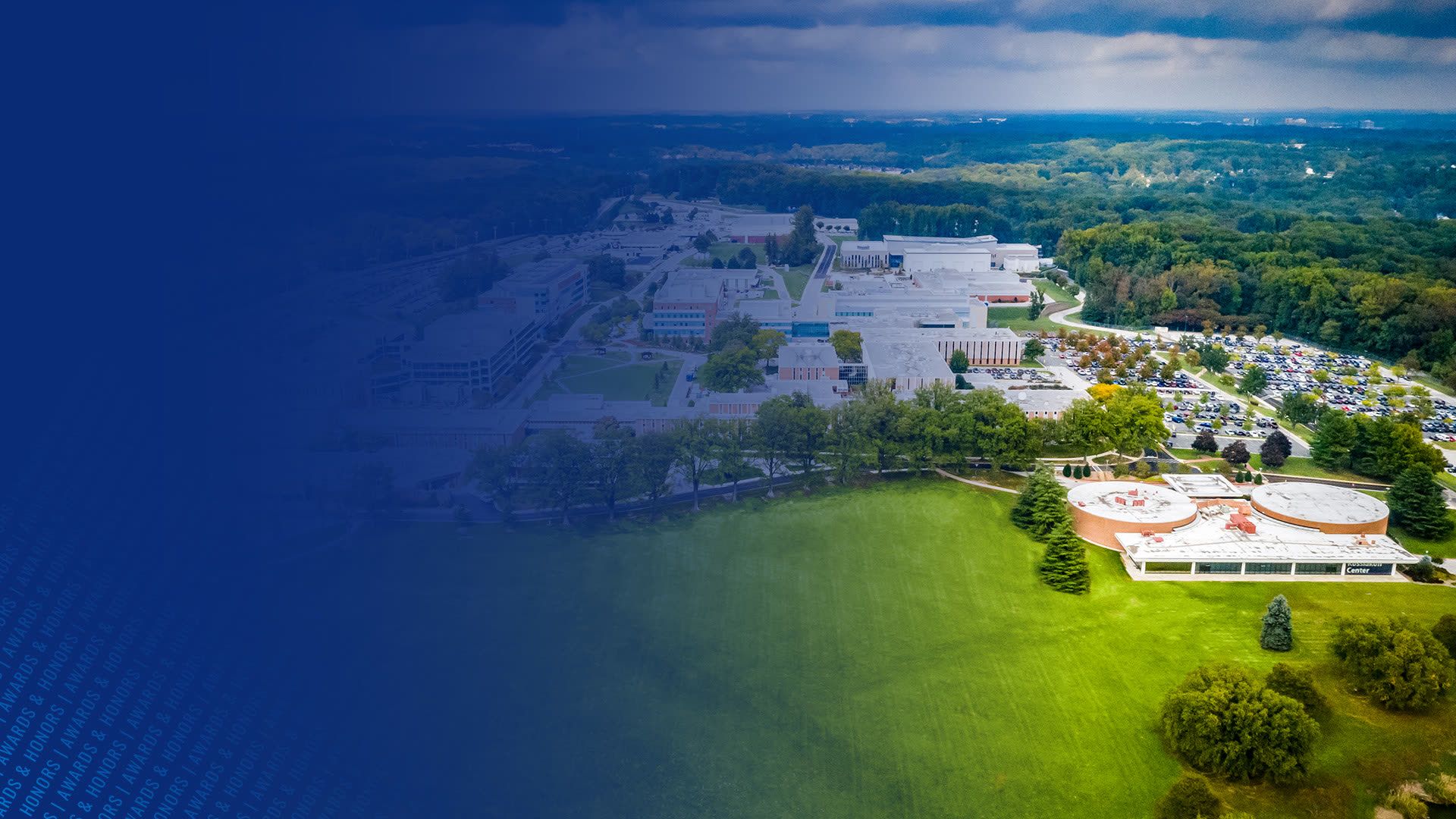
In May, to honor a career dedicated to delivering solutions for the most complex national security challenges, Johns Hopkins University President Ronald Daniels and the university’s board of trustees announced that the home of the Lab’s Research and Exploratory Development Department would be named in Semmel’s honor. The Ralph D. Semmel Center for Innovation today serves as a lasting tribute to his efforts to bolster research, champion innovation, and empower APL staff to pursue their best ideas targeting national security and technology issues.

In addition to dedicating the building, Daniels also announced the establishment of the endowed Ralph D. Semmel Professorship in Computer Science at the Whiting School of Engineering.

Semmel was also recognized by the Laboratory’s sponsors. He received the Secretary of Defense Medal for Outstanding Public Service and the NASA Outstanding Public Leadership Medal. The secretary of war cited “Dr. Semmel’s deep expertise in national security technology and highly productive collaborations with sponsors and senior Department of Defense leaders, provided insights that were pivotal in the deployment of resources and staff to identify and address challenges facing the Nation as it executed the complex Global War on Terrorism and shifted back to a new era of Great Power Competition.” The NASA administrator lauded Semmel’s “notable leadership accomplishments that have significantly influenced the NASA Mission.”

In early 2026, Semmel, now director emeritus of APL, was elected to the National Academy of Engineering in recognition of his leadership in driving innovative and disruptive technological advancements in defense, national security, and space exploration.

Semmel continues to provide leadership and counsel in his role as director emeritus and through his service on the boards of multiple organizations focused on the national good.