




Enabling Rapid Planning and Fleet Defense Operations
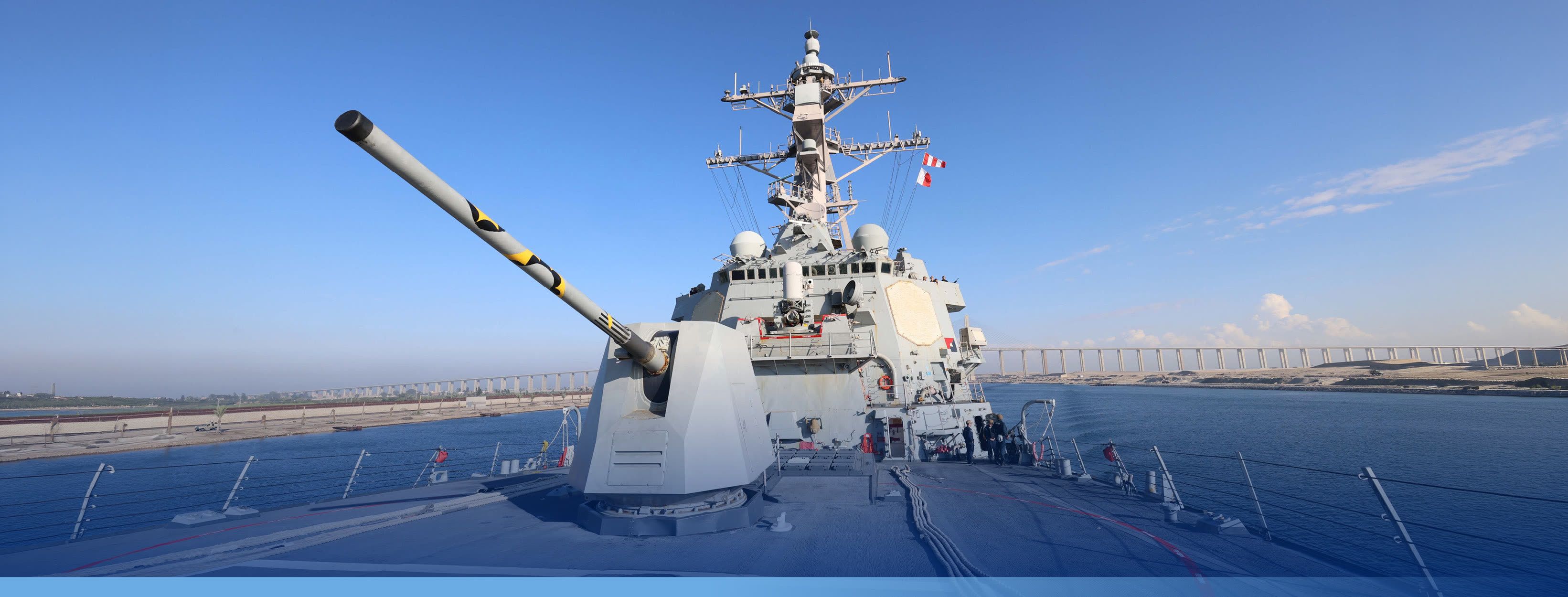
The beginning of Red Sea hostilities in late 2023 marked the most persistent air and missile threat environment faced by U.S. naval forces in recent history. In the intervening years, with Navy ships such as the USS Mason, USS Arleigh Burke, and USS Carney facing sustained missile and drone attacks, APL leveraged decades of experience in the technology and system development associated with naval air and missile defense and delivered rapid, high-impact technical solutions that proved vital to U.S. naval forces during sustained combat operations in the Red Sea.
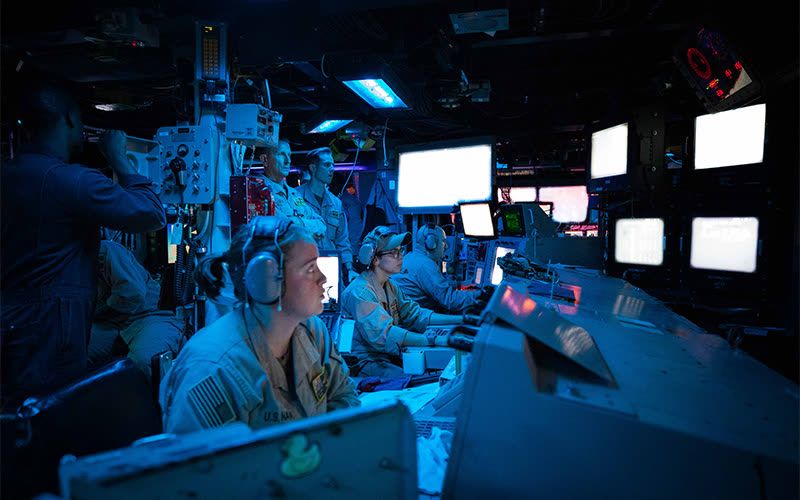
Sailors assigned to the Arleigh Burke-class guided-missile destroyer USS Carney (DDG 64) stand watch in the ship’s Combat Information Center during an operation to defeat a combination of Houthi missiles and unmanned aerial vehicles. APL provided timely analyses that drove strategic decision-making and responsive mission planning in these conflicts. Credit: U.S. Navy
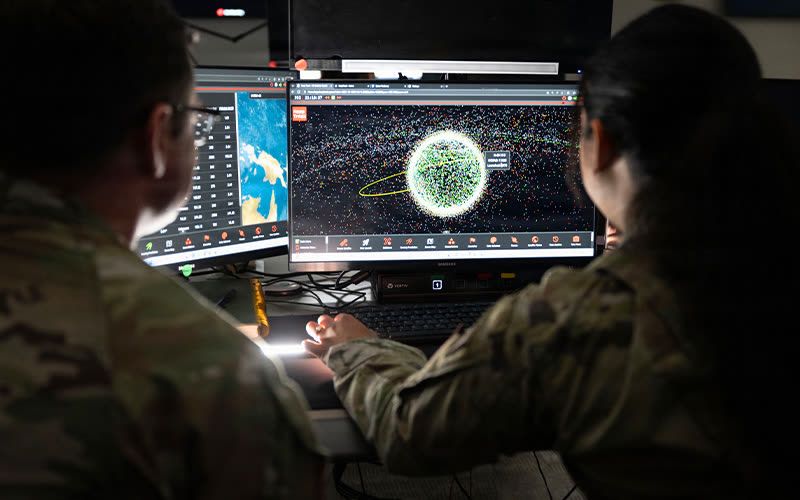
Effective coordination across fleet platforms, combatant commands, warfare centers, and government-industry teams ensured APL insights informed real-time and future operations during persistent missile and drone attacks in the Red Sea. Two complementary capabilities played critical roles: APL’s Cerberus collaborative planning tool and the Air and Missile Defense Real World Cell. Cerberus, a prototype that aids in refining mission plans to enable more specific reach-back analysis requests and evaluation, was developed with the Missile Defense Agency (MDA) and deployed in 2025 aboard a destroyer and an afloat Maritime Operations Center. In parallel, the Real World Cell provided around-the-clock support to deployed Aegis platforms, delivering tailored mission packages, post-event analyses, and technical guidance that directly shaped fleet operations and theater-level decisions.
“As today’s threats advance and adversary tactics evolve, our team’s work allowed operators to rapidly adapt,” said Vishal Giare, head of APL’s Air and Missile Defense Sector. “The Real World Cell and Cerberus fuse decades of engineering into timely options that enable sailors to safely execute their missions.”
These efforts enabled Navy crews to adapt swiftly to shifting threats, optimize force posture, and continuously improve system use under combat conditions. Cerberus earned cyber and Naval Information Warfare Systems Command physical security certifications in the spring of 2025, clearing the way for broader fleet deployment. Meanwhile, the Real World Cell responds to events — one being the June 2025 attack on Israel — with rapid analysis, informing critical defensive configurations and after-action reviews. APL engineers provide the Navy with assessment, analysis, and recommendations for operational ship actions in the region, helping to combat the evolving threats. Together, these initiatives showcase APL’s ability to pair long-term strategic vision with real-time responsiveness — bringing together digital planning, combat system expertise, and deep operational insight to defend U.S. and allied assets in an ever-evolving threat landscape.
As the U.S. and allies face continuing, and potentially escalating, conflict in the Middle East, APL will continue to play a critical role in ensuring timely analysis to drive strategic decision-making and responsive mission planning to protect U.S. and allied forces.